
How to Identify Pure Kachi Ghani Mustard Oil: 5 Signs & Purity Tests
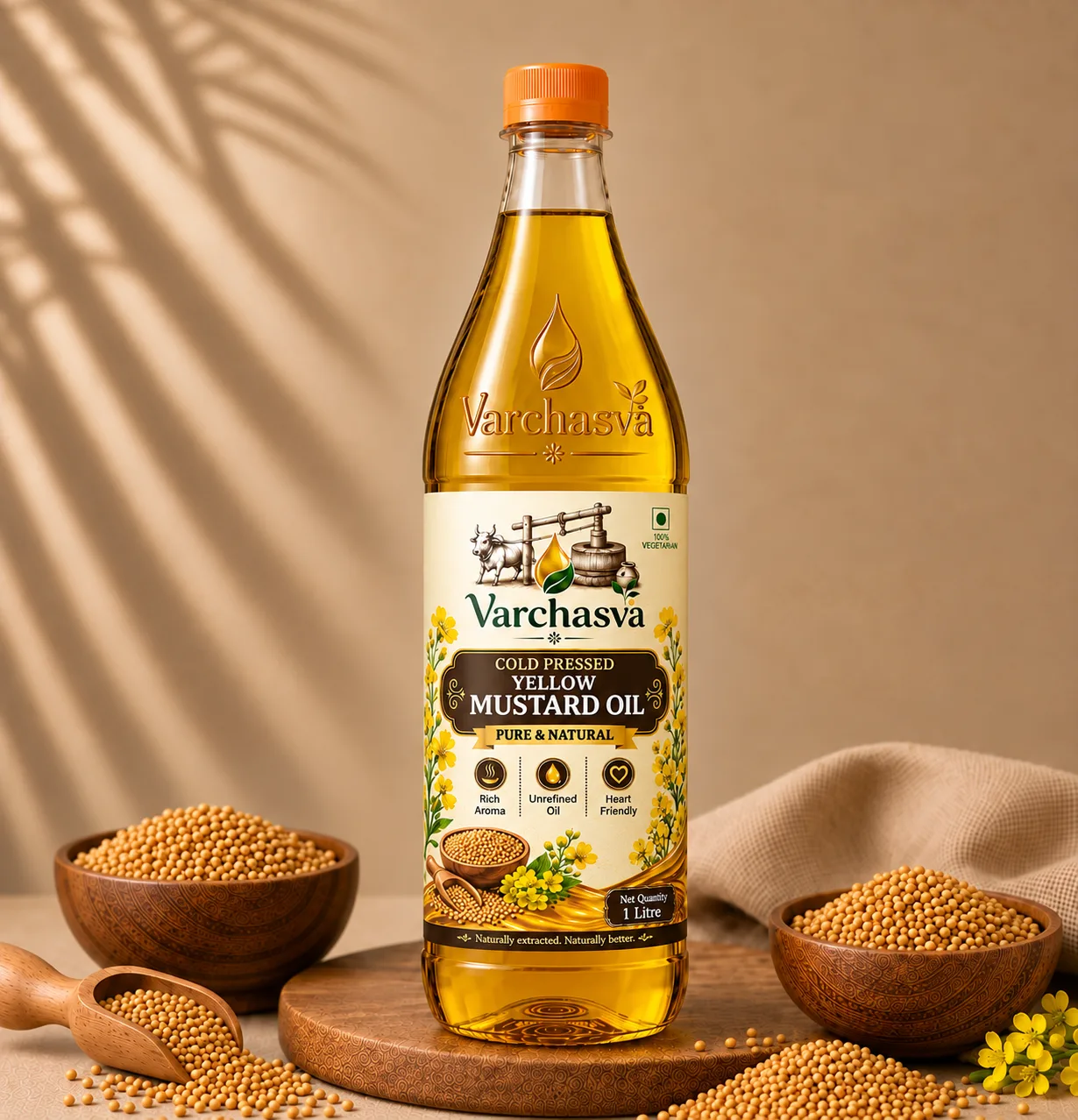
Mustard oil enhances the flavour of Indian cooking and is a great additive, but can you trust every bottle? How to identify pure kachi ghani mustard oil is the way you can get its true quality when purchasing. Its kick of smell, natural colour and classic production give valuable indications. However, in the case of adulteration, it becomes even harder to select the appropriate product. The basic look can allow you to rate its appearance, feel and freshness. You also have to know what tests are useful to do at home. Need authentic mustard oil in your kitchen? In this case, we elaborate on significant signs, safety checks and purchasing tips.
What Makes Kachi Ghani Different from Regular or Refined Mustard Oil?
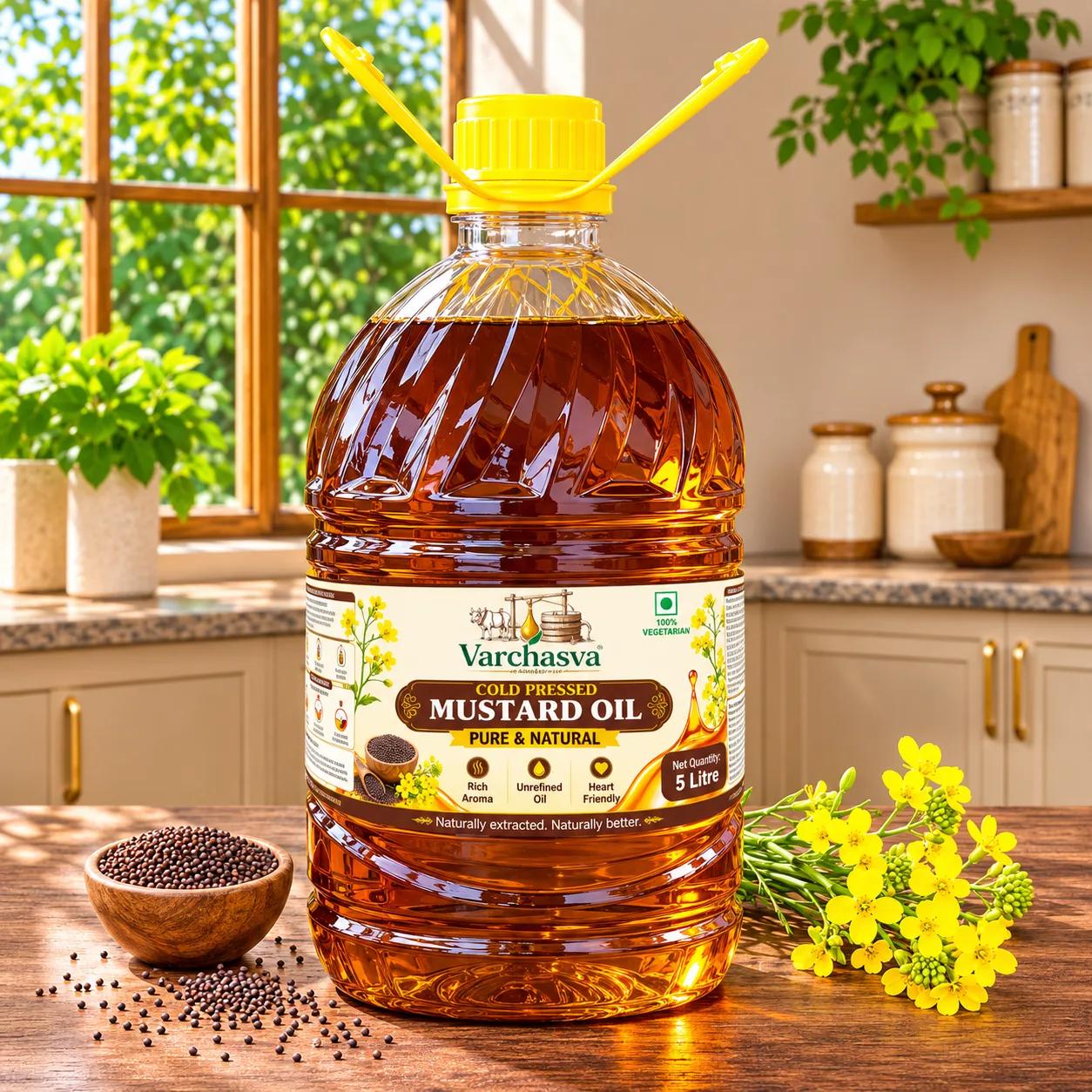
Kachi Ghani mustard oil is extracted by a traditional procedure using mustard seeds. Oil is traditional form of cold pressed mustard oil, extracted by the manufacturers using slow mechanical crushing in a ghani. This usually involves less heating than traditional industrial extraction techniques. The pungent aroma and strong mustard flavour of the oil are retained through this aid.
Mustard oil is further refined to eliminate impurities as well as to reduce the natural smells of the product. Such processes may change its taste, look and general structure. Knowing these variations can assist you to select based on your cooking interests.
| Factors | Kachi Ghani Mustard Oil | Refined Mustard Oil |
| Methods of Extraction | Traditional mechanical crushing | Industrial processing and extraction |
| Processing | General process of mining | Additional refining |
| Aroma | Naturally strong smell | Usually mild smell |
| Colour | Golden-yellow to amber | Often lighter shade |
| Flavor | Strong flavor of mustard | Comparatively mild flavor of mustard |
| Temperature to process | Generally have slow extraction | Might have high teemperature |
Select the Kachi Ghani oil if you need a traditional extraction and effective mustard odur. Polished oil is used by individuals who like softer smells and fainter flavours. Learn more about cold-pressed mustard oil to learn more about the traditional extraction processes.
5 Signs That Reveal Pure Kachi Ghani Mustard Oil
Understanding how to identify pure kachi ghani mustard oil by ensuring few characteristics of mustard oil to identify genuine mustard oil. The below mentioned are the five signs that determine ways in which you can check purity of kachi ghani mustard oil based on simple observations.
1. Sharp, Pungent Aroma That Triggers Eye-Watering
Real mustard oil have a bitter, sharp and strong smell. This natural smell is due to its natural mustard compounds. You can probably feel such a powerful sensation when you smell freshly opened oil.
However, the aroma in itself will not be an indicator of purity or no adulteration. Certain products can have a long duration of mustard smells even when they have undesired ingredients. Thus, smell and other quality indicators should be taken into consideration and then a decision made.
2. Rich Golden-Yellow to Amber Color
Most mustard oil looks brownish-yellow, amber or even darker. Its pure colour is a factor of seed varieties and harvests. As a result real oil must not necessarily be of the same shade. Observe abnormally bright or patchy colouration. Other colours could be added to cover variation in the original oil. But colour in itself cannot determine the artificial colouring by manufacturers.
3. Thick, Viscous Texture
Mustard oil is usually glossy and slightly viscous to the touch. Its consistency is susceptible to temperature and storage conditions. Notice the ease with which the oil flows without any odd separation. Thickness is not a good criteria of authenticity. Natural consistency is affected by various types of mustard and processing methods. Thick texture is not necessarily a sign of good quality.
4. Home Purity Tests
The customers will carry out the cold-pressed mustard oil purity test before buying. But not all adulterants can be identified through those observations, which can easily be done in the comfort of one's own home. Consider the following standard checks:
- Freezing test: At lower temperatures, refrigerated oil turns out to be cloudy or thicker. Neither the purity nor adulteration can be determined from this alteration.
- Rub test: Oil should be rubbed between the clean hands and recognised by its natural feel, but never consider this sense as proof.
- Chemical acid test: It is a specialised laboratory test which can detect some adulterants. These tests require proper equipment, knowledge and safety measures.
Never attempt to use concentrated nitric acid at home, as it causes serious skin burns and severe eye injury. In addition, a barometer is not a correct method of purification of mustard oil. Learn about the mustard oil purity test; these are its limitations.
5. Natural Sedimentation at the Bottom
Natural particles found in raw mustard oil can be extremely small, coming from the processing of the seeds. These particles can accumulate at the bottom of the bottle during the storage period. This does not mean that it is real oil just because there are particles in the oil. While purchasing the oil, you should check its filtered or unfiltered status on the bottle.
Pure vs. Adulterated Mustard Oil: Key Differences & Warning Signs
Substitutes for adulterated mustard oil can include less expensive oils or inappropriate substances. Key adulterants that one needs to know about are Argemone oil and mineral oil. Argemone oil has poisonous alkaloids related to severe health consequences. Compare the following features and select the product you like:
| Indicators | Real mustard oil | Potential warning sign |
| Smell | Genuine mustard aroma | Inconsistent or unusual odur |
| Colour | Natural golden or amber colour | Suspicious appearance |
| Texture | Smooth and consistent flow | Improper separation |
| Ingredients | Clearly mentioned ingredients | Limited and unclear details |
| Packaging | Proper sealing bottle | Leaking and damaged packagining |
Look out for these caution signs when buying:
- Lacking manufacturer description or uncertain about the product.
- Seals broken, leaking or damaged bottles.
- Abnormally low prices without distinct information.
- Lack of batch numbers or production details.
These are not sufficient evidence of adulteration. In case of doubt about contamination, please look for proper laboratory testing. Knowing how to test the purity of mustard oil will guide you to learn these warning signs.
Why Choosing Pure Kachi Ghani Mustard Oil Matters
To prevent adulterants that you do not want, it is advisable to use actual mustard oil. You can also use a cold pressed mustard oil purity test to know its typical flavour in your cooking. The quality of the products is supported through consistent production and appropriate storage. The different fatty acids and other oil components are naturally found in mustard oil. Its nutritional value varies according to the type of seeds and processing. However, this does not necessarily make all the products healthier under traditional extraction. Varying quality, labelling, and food safety are concerns. Do not think the increased health benefit is assured by any aroma or extraction claims.
Buying Checklist: How to Choose the Best Kachi Ghani Mustard Oil
Buying oil is not just about comparison of colours or prices. Here, you can understand how to check mustard oil purity with the help of these tests before buying.
- Check method of extraction: Find out clear details concerned with traditional ghani or mechanical pressing. A cold-pressed claim must match to the information on processing by the manufacturer.
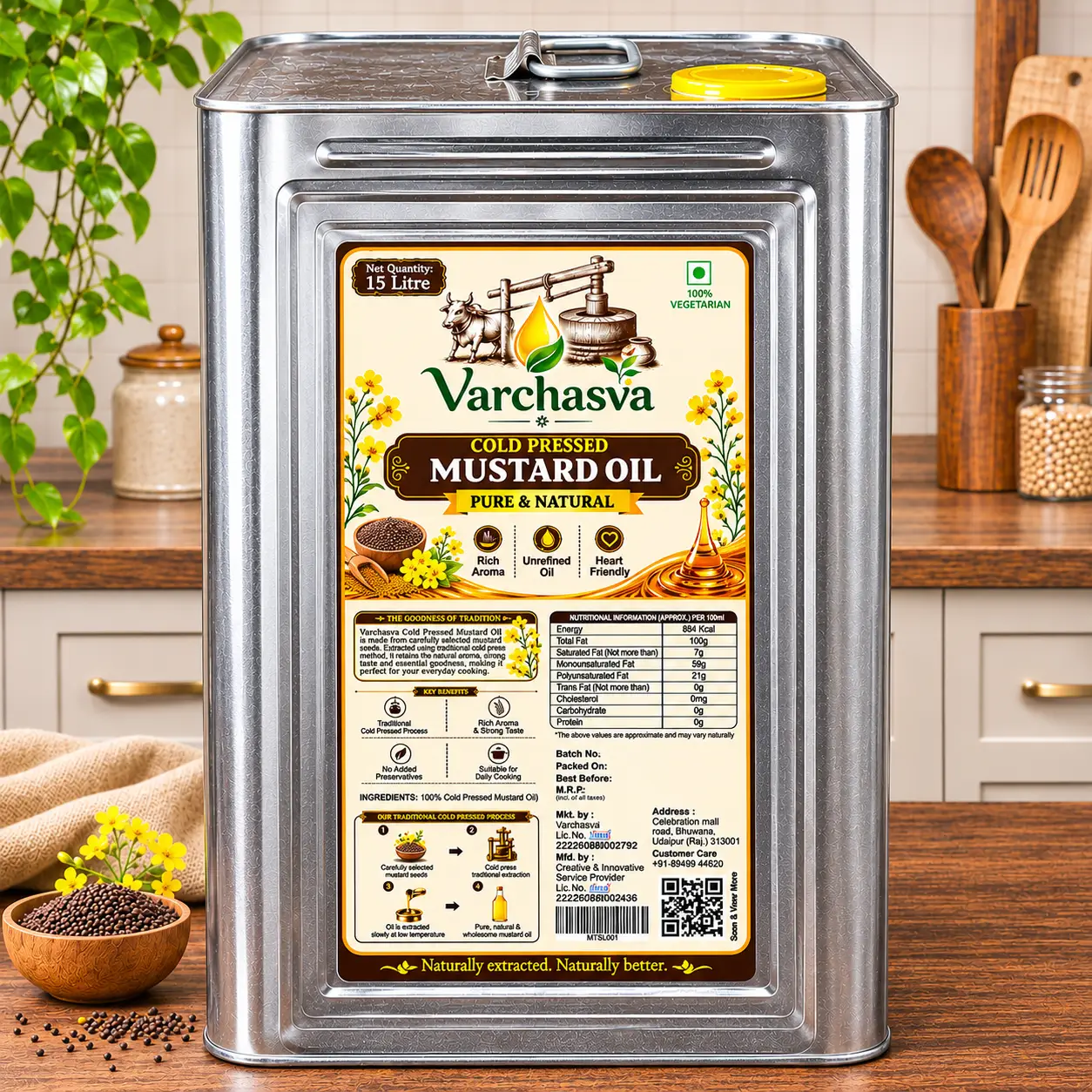
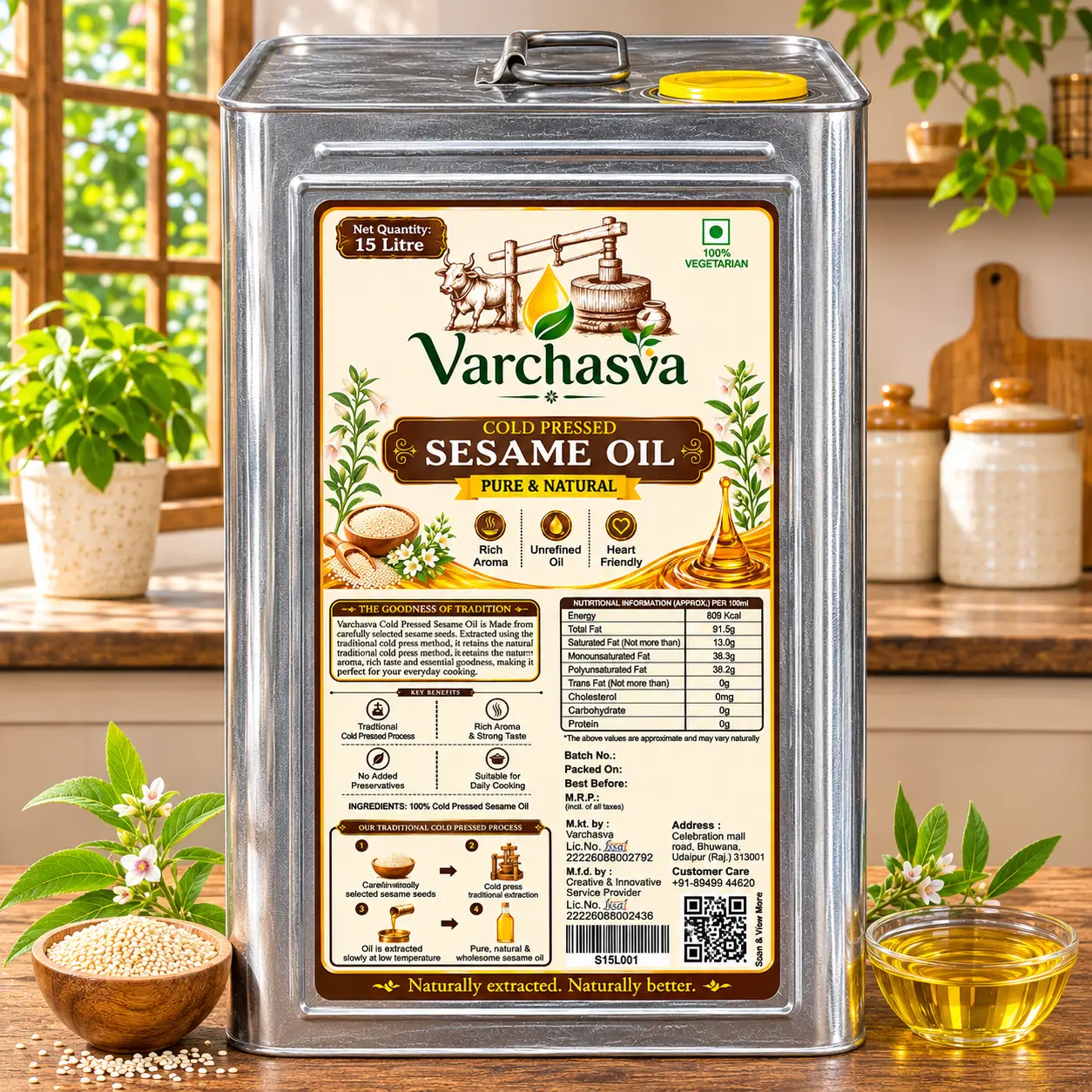
- Check certifications and manufacturer information: Confirm the number and details of the FSSAI licence on the packaging. Check the AGMARK certification (where available), and confirm its validity.
- Analyse quality of packing: Choose the bottles that are well capped and have clear information about product. Check appropriate packaging that does not expose oil to light and contamination.
- Compare prices carefully: Make comparisons in the prices of products having similar quantities and features. Very low prices will be worth attention, yet price alone will not tell you a thing.
- Follow the entire ingredient list: Confirm that the product has no other well-known mustard other than the heated mustard. There are other label checks to apply when buying pure groundnut oil or pure sesame oil.
Before buying, do the following check quickly:
- There is information about the FSSAI licence and manufacturers
- No damage to packaging
- There is availability of the batch number and expiry date
- Ingredients and method of extraction are well stated
- Pricing and quantity of the product are reasonable
How to Store Pure Mustard Oil to Retain Purity and Shelf Life
Correct storage will maintain the freshness, aroma and quality of the mustard oil. After cracking your bottle, follow these easy tips:
- Keep oil stored in a cool and dry place away from the sun.
- Always close the bottle tightly after use.
- Clean and dry utensils must be used to work with oil.
- Oil must not be stored close to stoves or other sources of heat.
- It must be stoired as per the recommendations of the manufacturer and expiry date.
Do not use fresh oil in combination with old leftovers. Oil should be discarded in case of any uncharacteristic rancid smells or apparent degradation.
Conclusion
It is concluded that before buying pure mustard oil, it is required that you are careful, as it cannot be identified simply through its colour or aroma. Once you come around with the methods to discover pure kachi ghani mustard oil, it will help you make a sensible decision related to purchase. Analyse the features, packaging, ingredients, and information regarding the manufacturer of the mustard oil. Do not carry out experiments at home because this is dangerous, and never try to do so in any case. Get pure mustard oils which have quality information about themselves.