The Hidden Truth About Refined Oils That Every Indian Kitchen Must Know
Refined oil is built for shelf life and low cost, not for your plate. To get there, producers press the seeds with heat, often use chemical solvents in large plants, then bleach and deodorise the oil until it's pale, odourless and neutral. A bottle of refined oil can sit on a shelf for months and still look perfect. That's the point. What gets lost on the way is aroma, flavour and some of the natural compounds, such as vitamin E, that were in the seed to begin with.
What Is Cold-Pressed Mustard Oil?
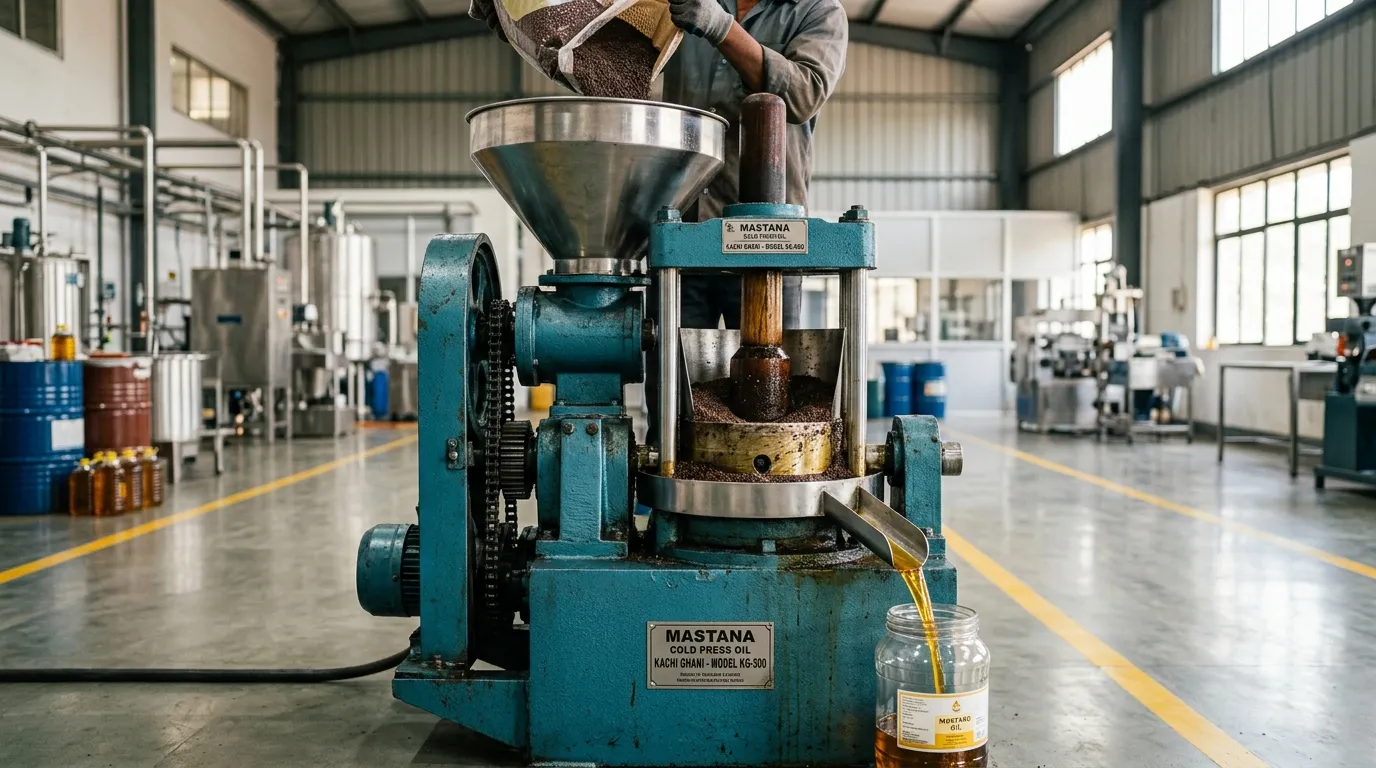
Cold pressed mustard oil is oil squeezed from mustard seeds by slow mechanical pressing at low temperature, with no solvents, bleaching or deodorising. It's filtered and bottled. Nothing else. In India you'll also see it called kachi ghani, which means "raw press", after the wooden or stone ghani traditionally used for the job.
Cold Pressed vs Refined Mustard Oil: What's the Difference?
| Cold pressed mustard oil | Refined mustard oil | |
| Extraction | Slow pressing at low temperature | High heat, sometimes solvents |
| After pressing | Filtered only | Bleached and deodorised |
| Smell and taste | Sharp, pungent, full | Mild, neutral |
| Natural compounds | More retained | Reduced |
| Best for | Tadka, pickles, sabzi, parathas | Neutral-taste frying |
| Price | Higher (less oil per kilo of seed) | Lower |
No single word on a label proves any of this, which is why the checks in section five matter.
Why Cold-Pressed Mustard Oil is a Game-Changer for Your Family's Health
A fair claim first: no oil is medicine, and cold pressed mustard oil won't fix a poor diet. What it offers is a less processed fat with a real nutritional profile.
What Are the Benefits of Cold Pressed Mustard Oil?
- Mostly good fats. It's rich in monounsaturated fat, plus polyunsaturated fats that include a small amount of plant omega-3 (ALA).
- Natural vitamin E. Gentle pressing keeps more of the oil's own antioxidants than heavy refining does.
- Big flavour, smaller spoon. The pungency means a little oil in a tadka does a lot of work.
- Fewer steps, fewer unknowns. No bleaching, no deodorising, no hidden additions.
Is Cold Pressed Mustard Oil Better for Health?
Better than refined mustard oil? Mostly yes, because it's less processed. Better than every other oil? That depends, and anyone who says otherwise is selling something. Traditional Indian mustard oil is naturally high in erucic acid, roughly 40 to 54 per cent of its fats, while many countries cap it below 5 per cent in food oils. The worrying evidence comes mainly from animal studies, and strong human data is missing. It's still a good reason to treat mustard oil as one of your oils rather than your only oil, and to keep portions sensible. If you have a heart or liver condition, ask your doctor.
From Grandma's Kitchen to Modern Homes: The Oil That Never Lost Its Power
For generations, mustard oil was the default. Punjabi saag, Bengali fish curry, Rajasthani pickles, the winter parathas fried at breakfast. Rajasthan is India's largest mustard-growing state, so for many families here this oil is simply what the kitchen smelled of. Cooks never needed a study to tell them it worked. The pungency helps preserve pickles, cuts through rich gravies and gives a tadka its bite. The tradition lasted because the results were obvious on the plate.
Why Use Cold Pressed Mustard Oil in Daily Cooking?
Because it gives Indian food the taste it was built around. Here's where it earns its place:
- Tadka: Heat the oil until it just starts to smoke, let it cool for a few seconds, then add whole spices. Many Indian cooks do this to take the raw edge off.
- Pickles: The pungency is part of the recipe. Neutral oil gives you a flat achaar.
- Sabzi and bhurji: Add it at the start, and the whole dish picks up that warm, sharp note.
- Parathas and shallow frying: Medium heat works well. Traditional mustard oil for Indian cooking was never meant for scorching.
Stop Compromising on Taste & Health – Switch to Real Cold-Pressed Mustard Oil
Plenty of families move to refined oil for convenience, then wonder why the dal tastes flat and the kitchen smells of nothing. You don't need to change everything at once. Start with the oil you use for tadka, sabzi and pickles, and compare the taste over a week.
What Makes the Best Mustard Oil for an Indian Kitchen?
Pure mustard oil for cooking should pass a simple checklist:
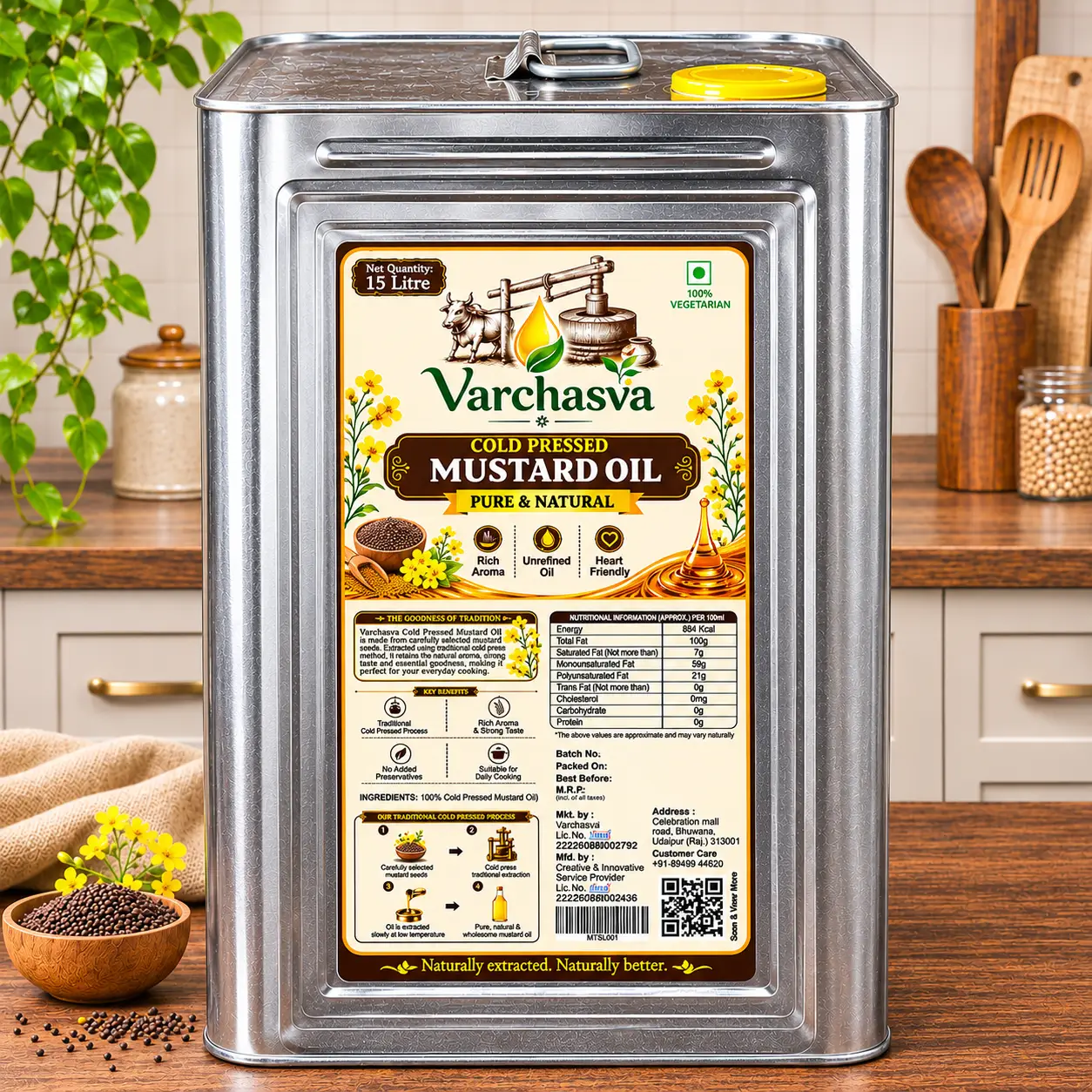
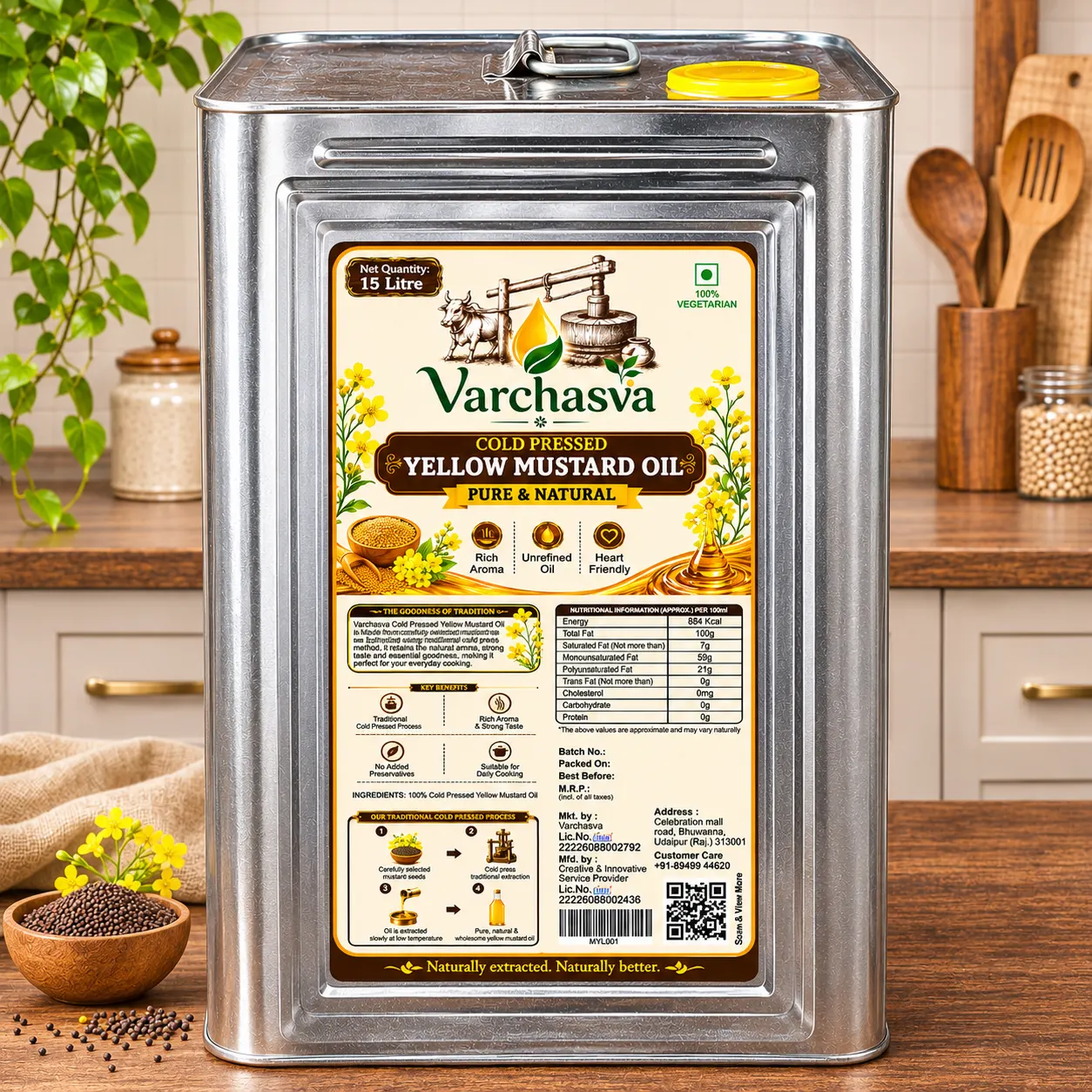
- The ingredient list says mustard oil, and only mustard oil.
- The pack states cold pressed or kachi ghani.
- An FSSAI licence number is printed on it.
- It carries a batch number and packing date.
- It's sold sealed, in food-grade packaging that blocks light.
- The brand will share a lab report if you ask.
How to Spot Fake Mustard Oil in 30 Seconds (Most People Get This Wrong)
Be wary of anyone who promises a perfect home test. No kitchen trick proves a bottle is pure. What you can do in 30 seconds is read the pack and rule out the obvious problems.
How Can You Check Mustard Oil Is Real?
- Read the ingredients. FSSAI moved to ban blending mustard oil with other oils in 2021. "Blended", "edible vegetable oil" or a vague list is a red flag.
- Find the licence number and batch date. If they're missing, nobody is accountable for what's inside.
- Smell it. Real mustard oil is sharp and makes your nose tingle. A flat or oddly sweet smell is suspicious, though smell alone isn't proof.
- Check the price. Low-temperature pressing yields less oil per kilo of seed than industrial refining. A very cheap "cold pressed" bottle needs an explanation.
- Skip loose oil from unknown sellers. In the late 1990s, mustard oil mixed with argemone oil caused a dropsy outbreak in India. Argemone oil is banned in food oils, and labs test for it.
The mistake most people make is trusting colour. Colour tells you almost nothing. And please don't try the chemical tests that circulate online, because they use strong acids that aren't safe in a home kitchen. A lab report from the brand is the real proof.
Why Varchasva Cold-Pressed Mustard Oil is the Right Choice
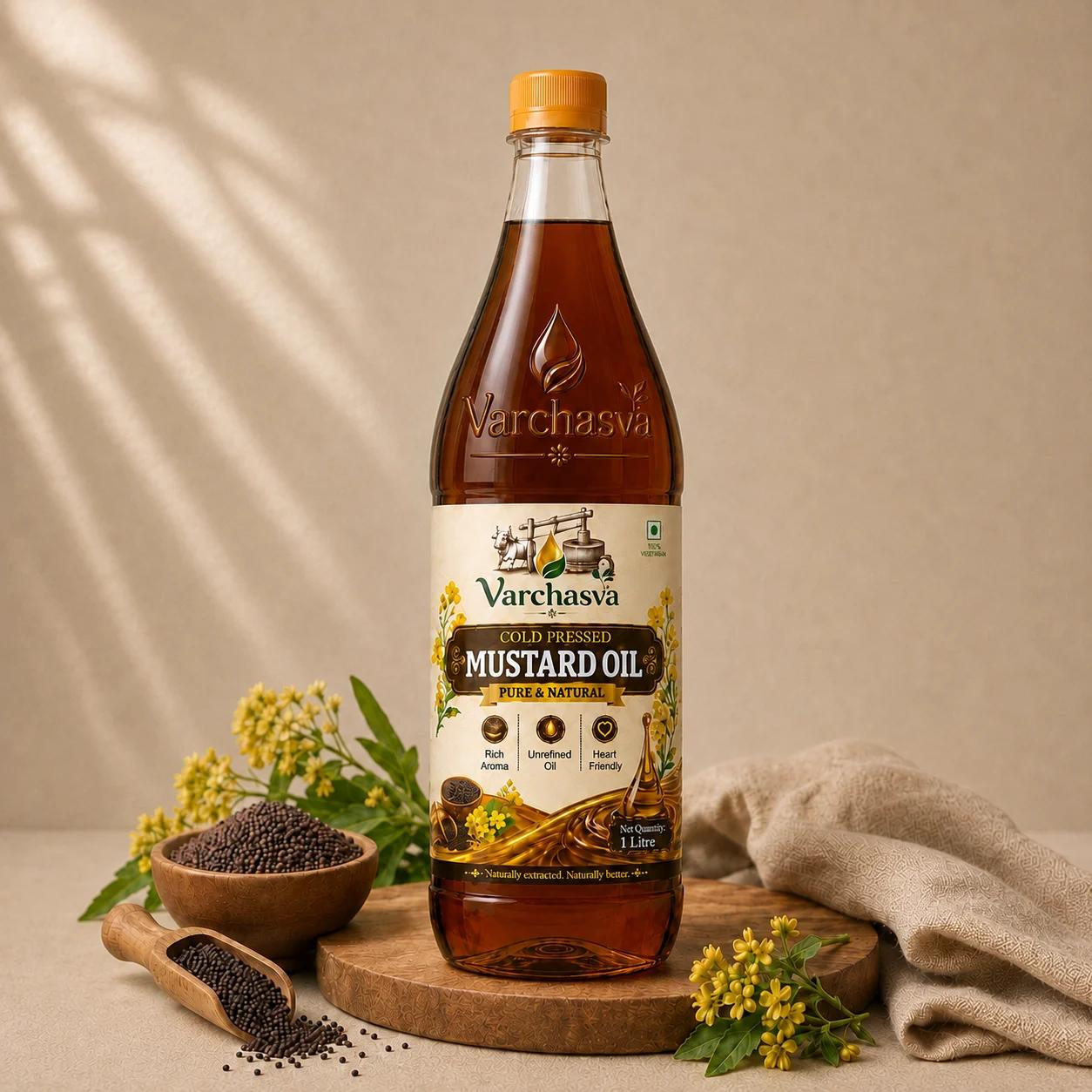
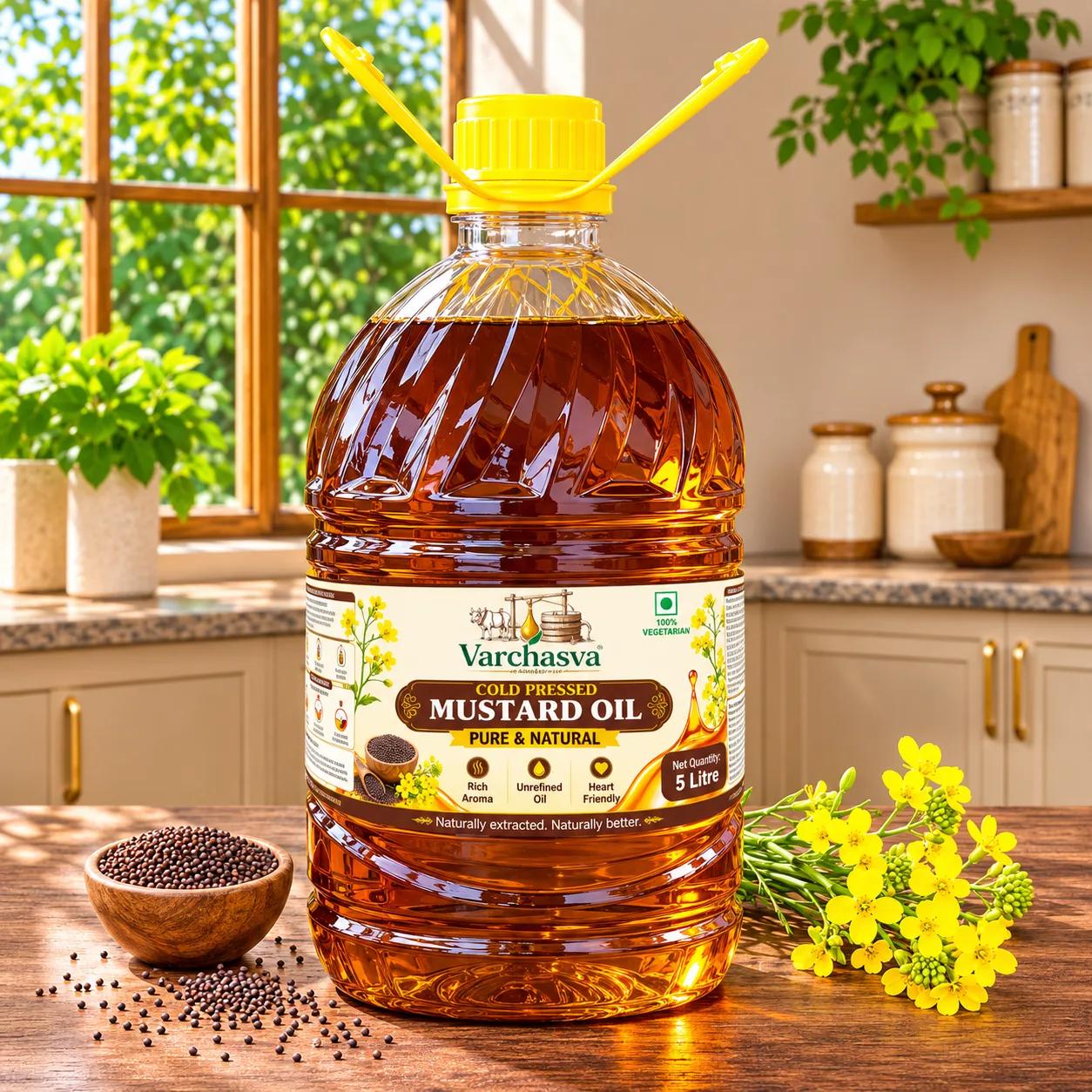
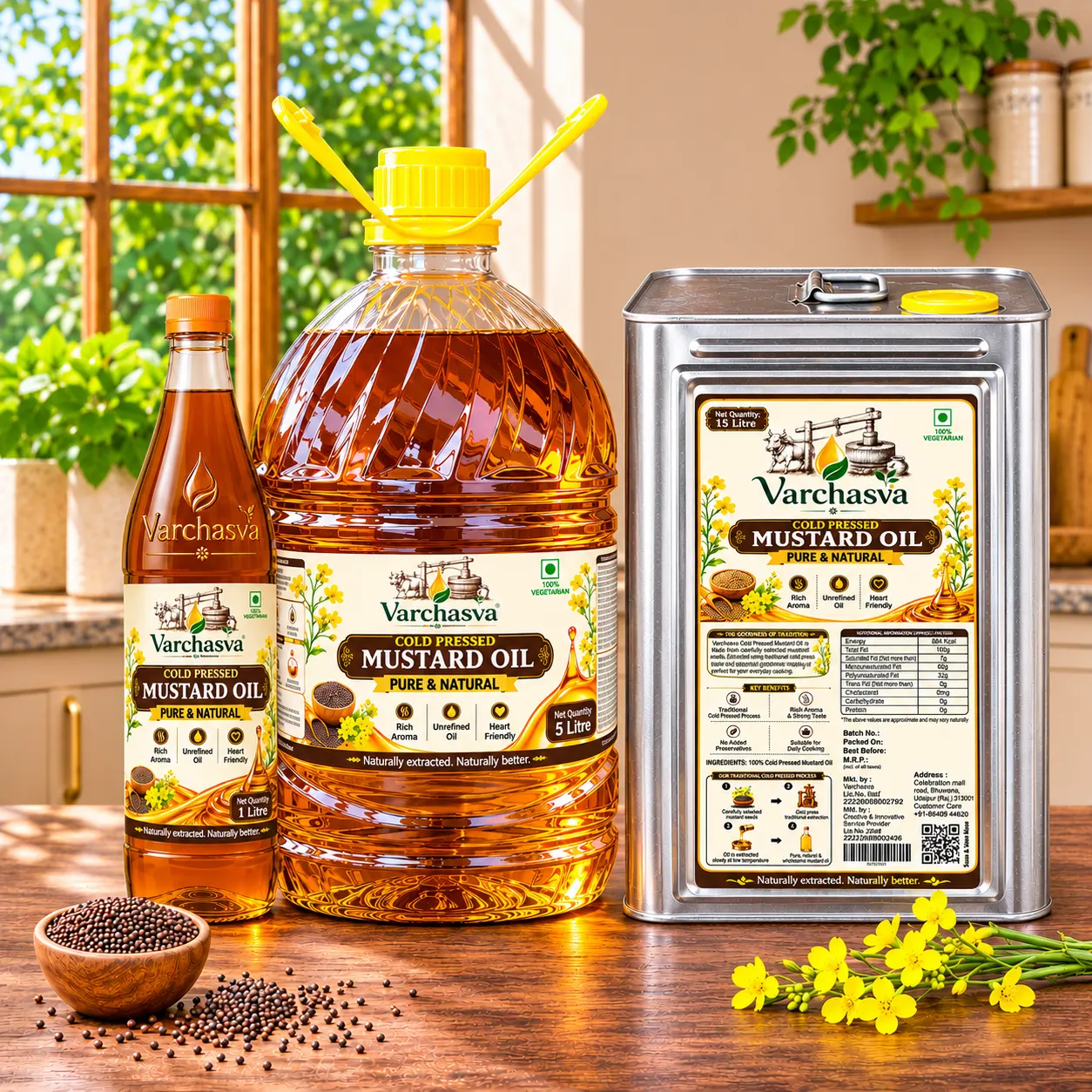
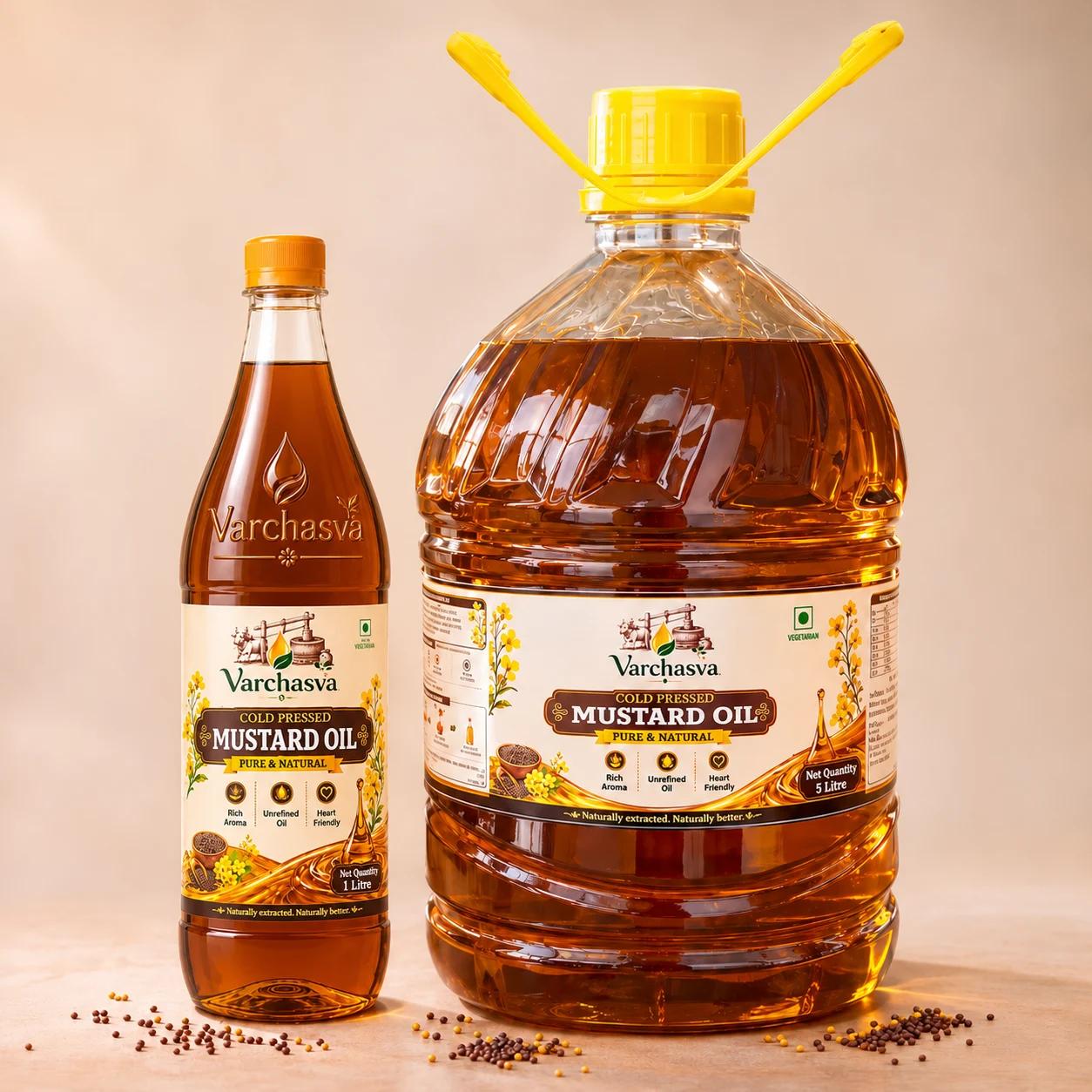
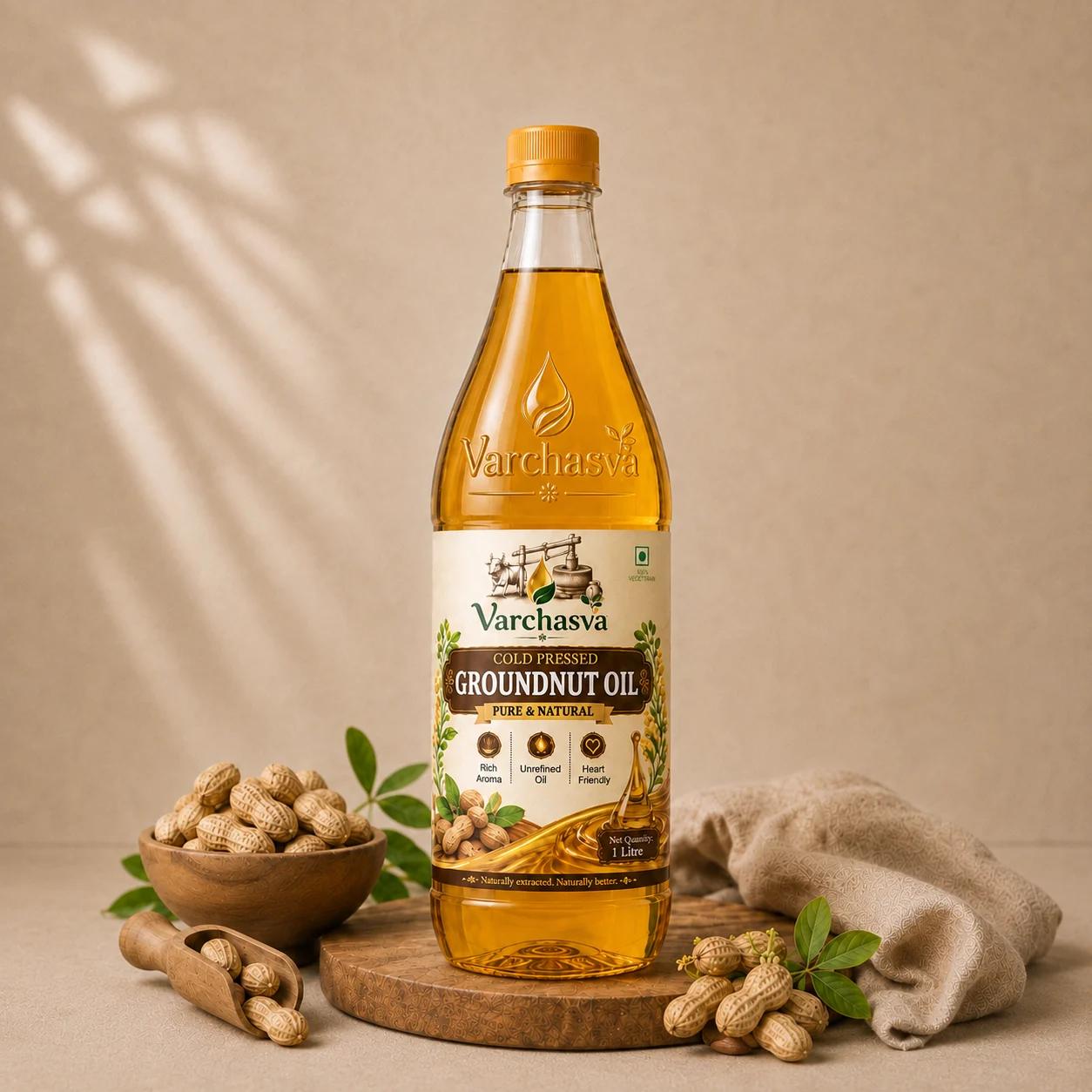
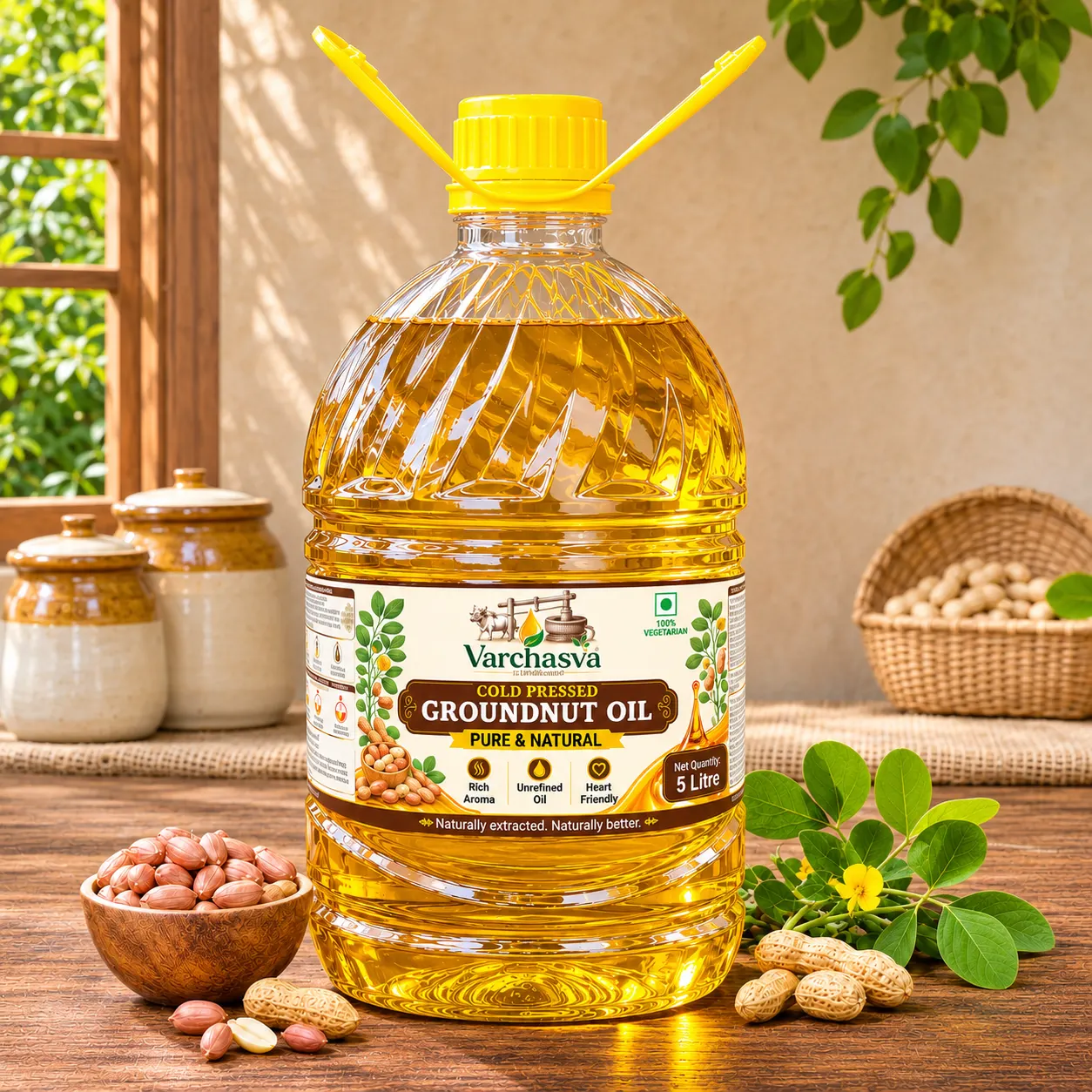
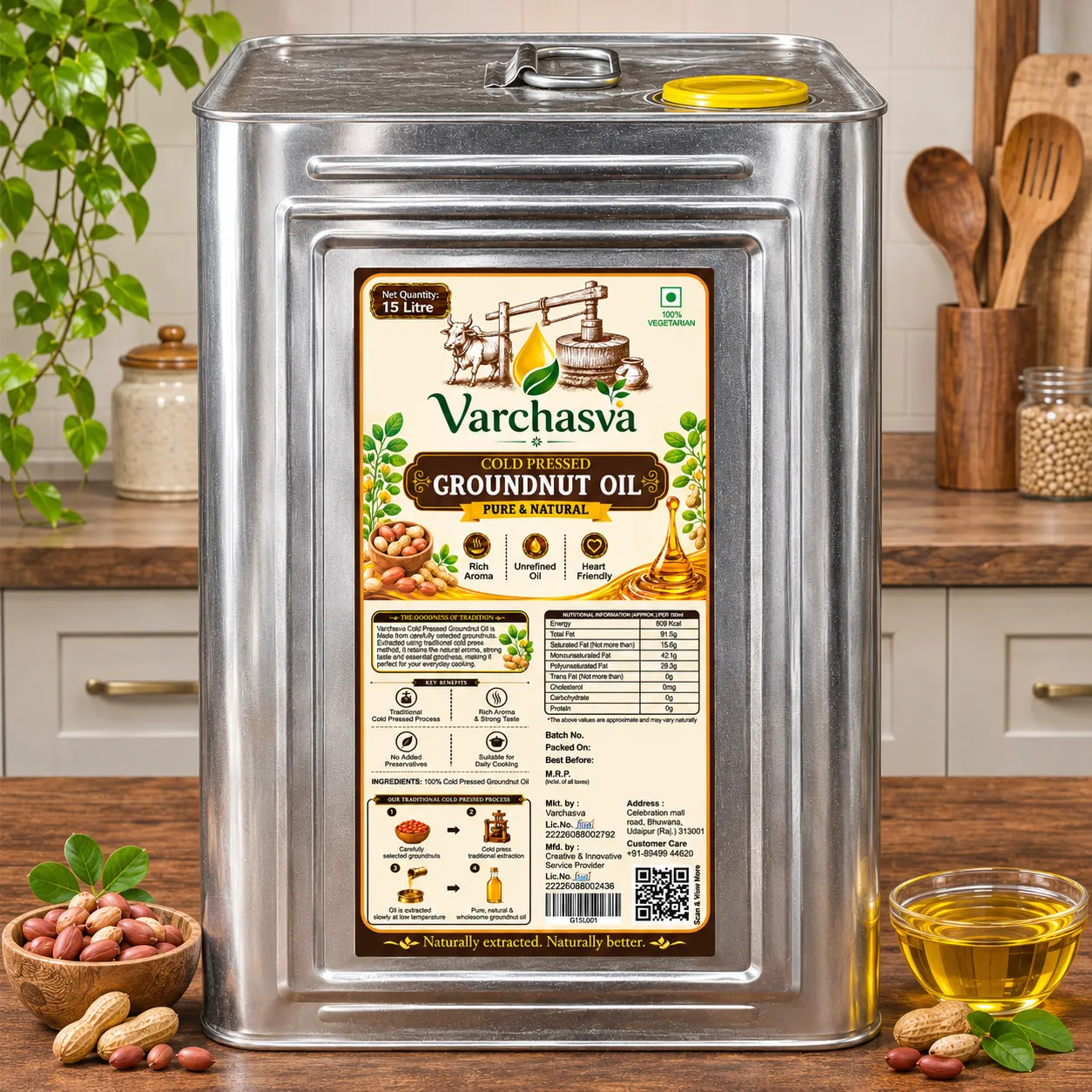
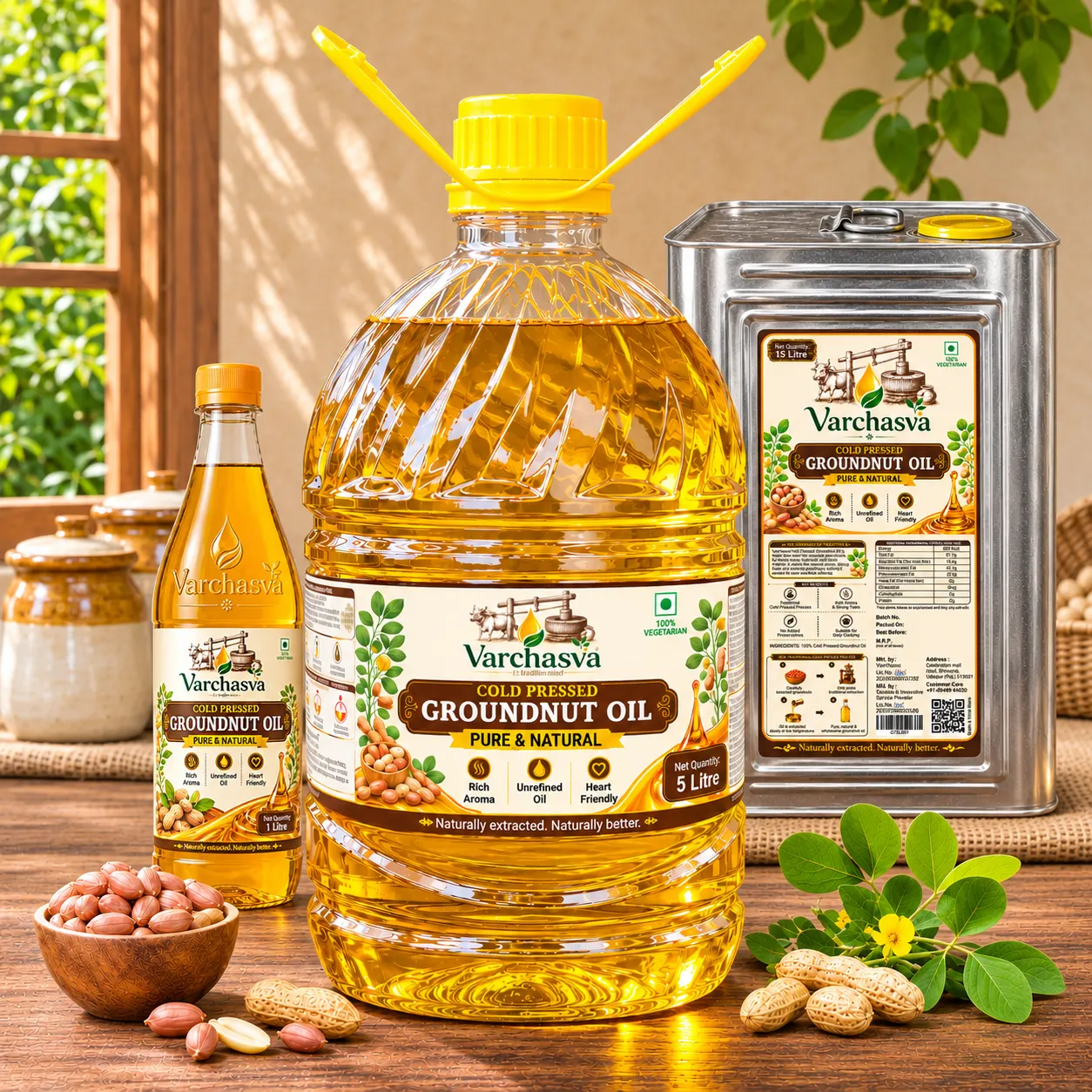
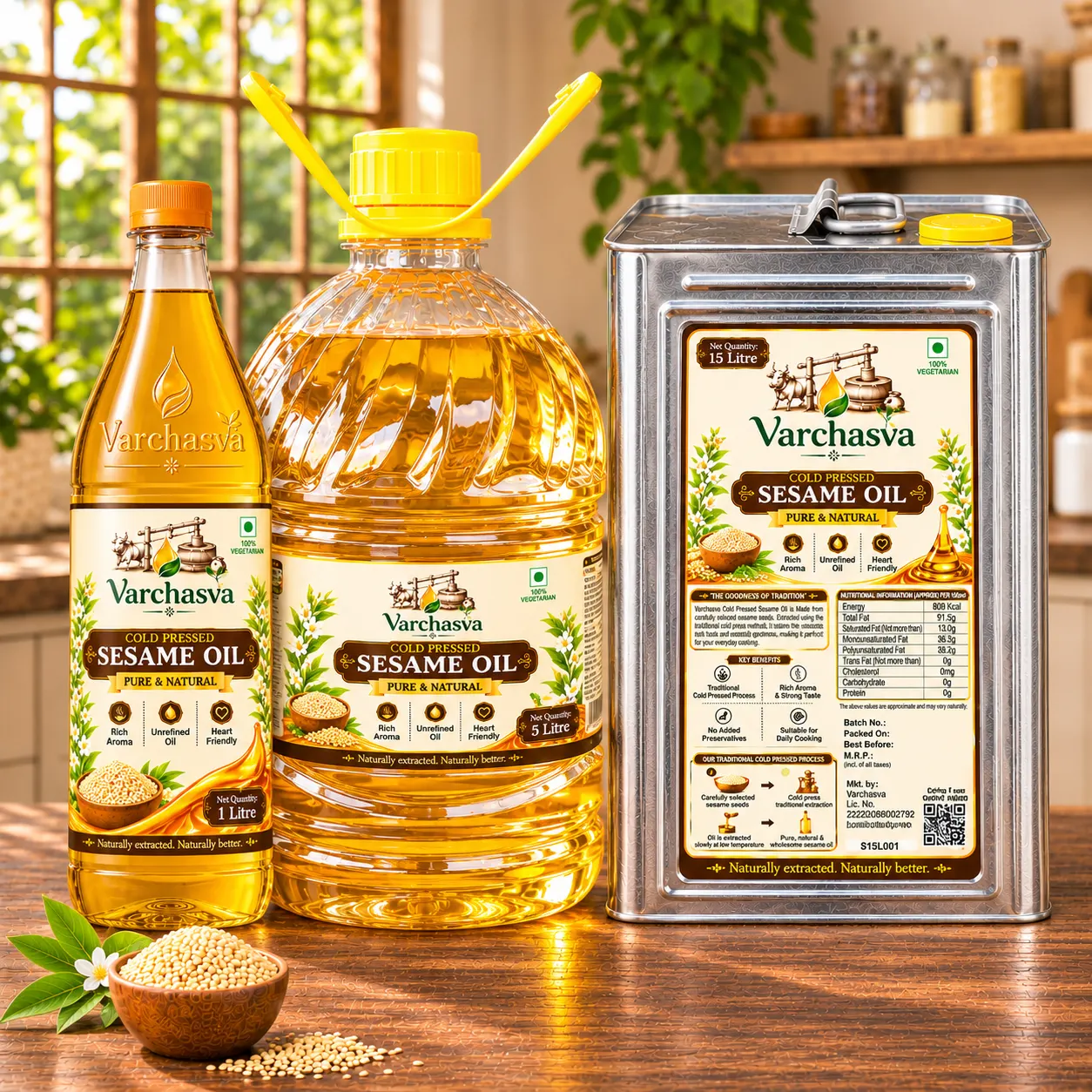
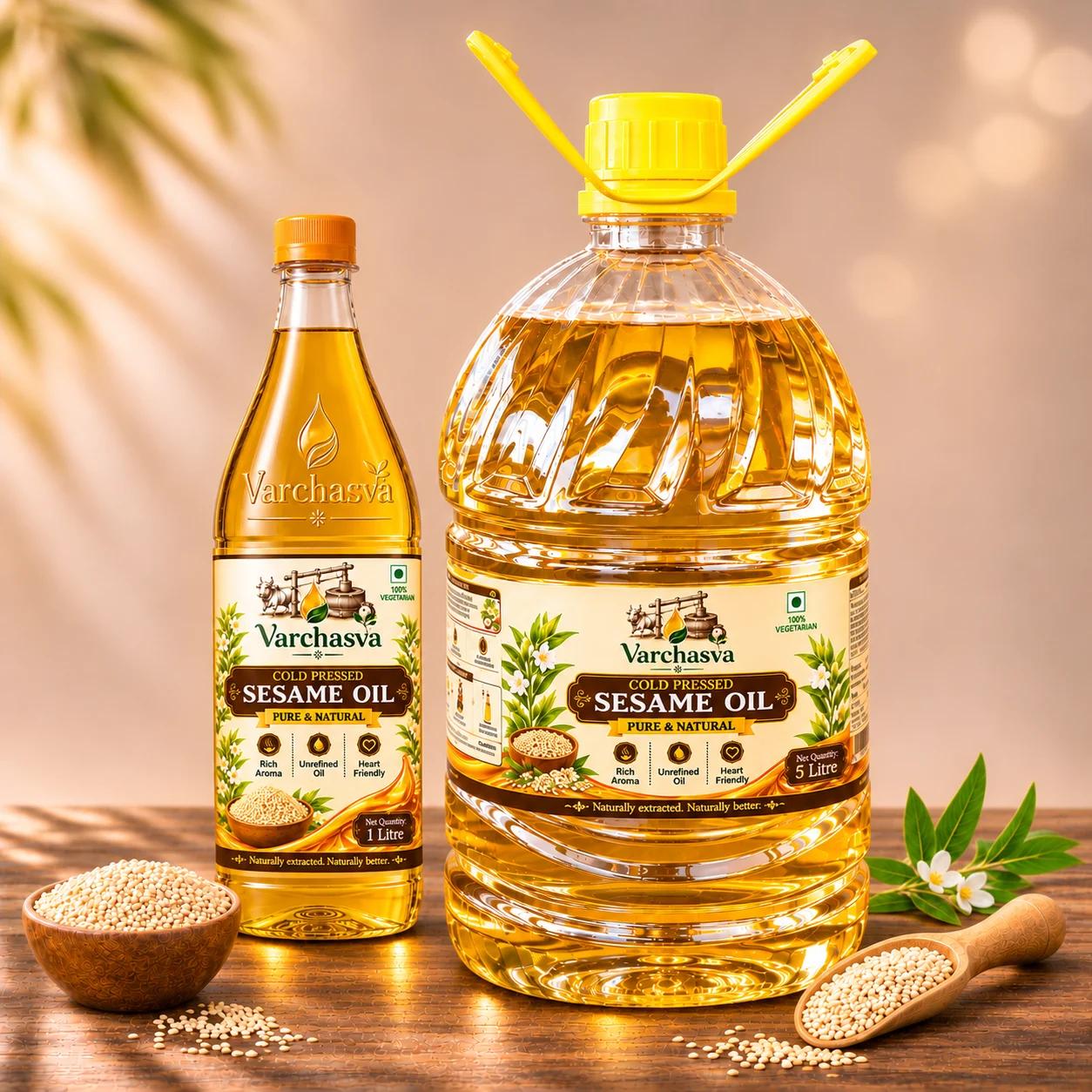
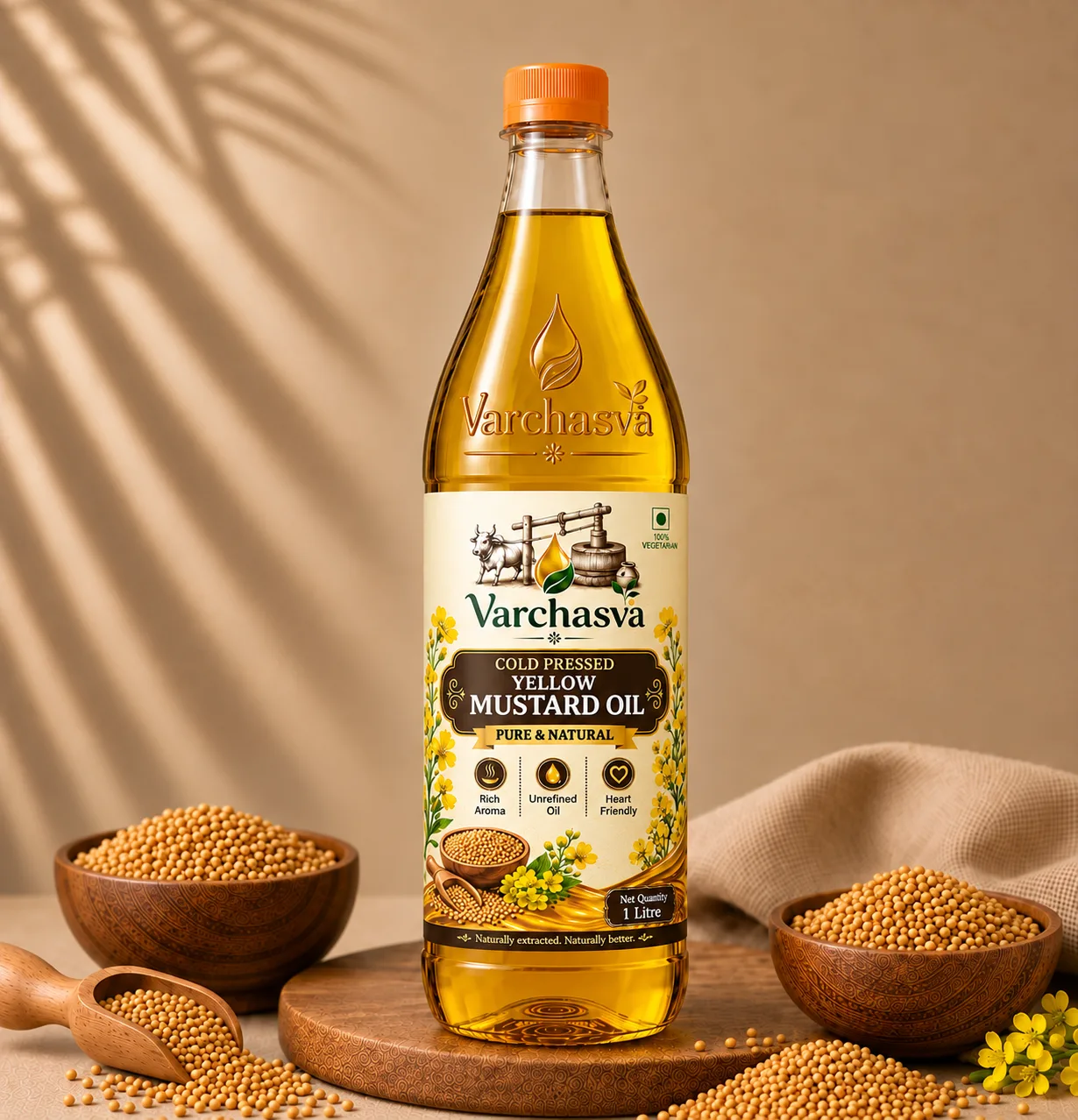
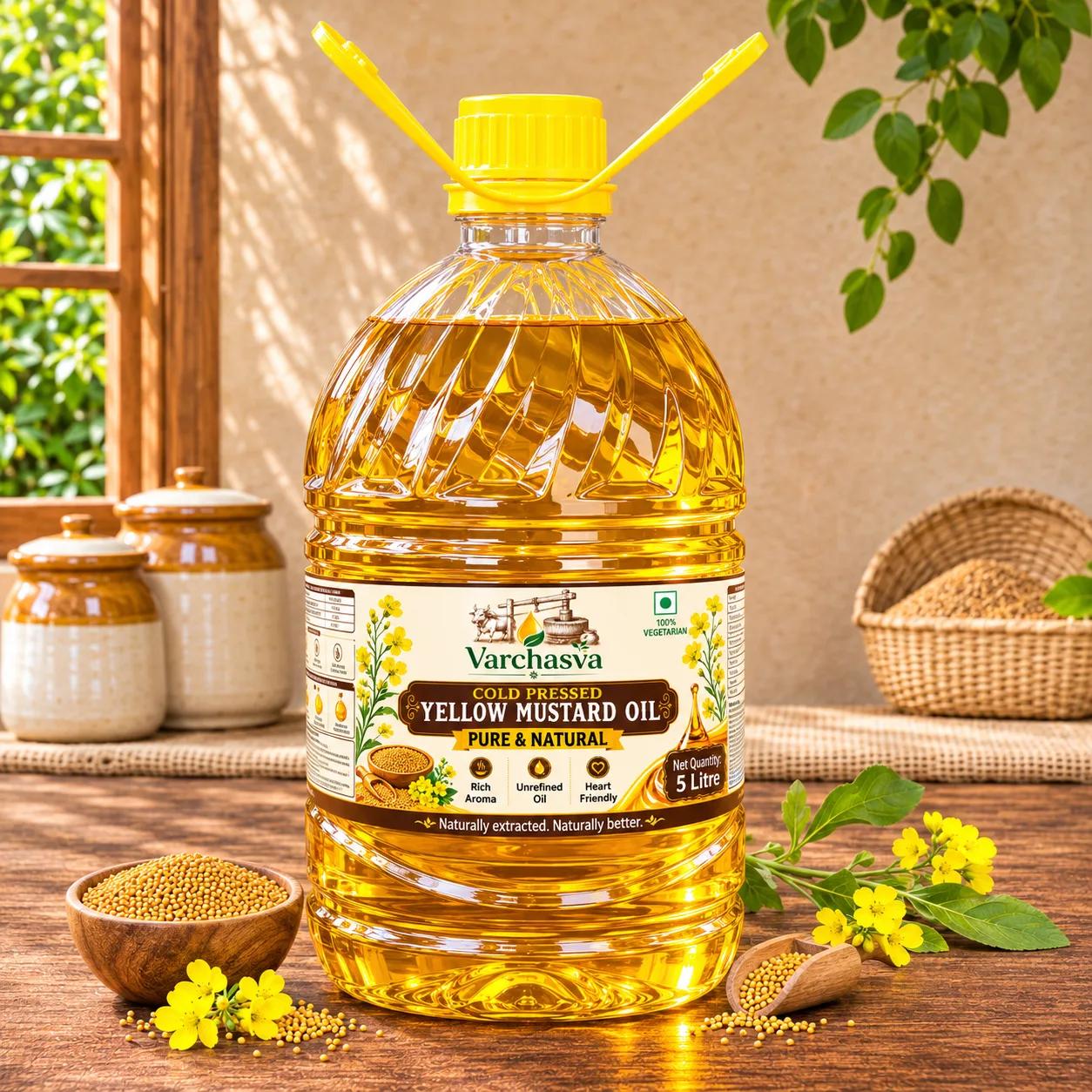
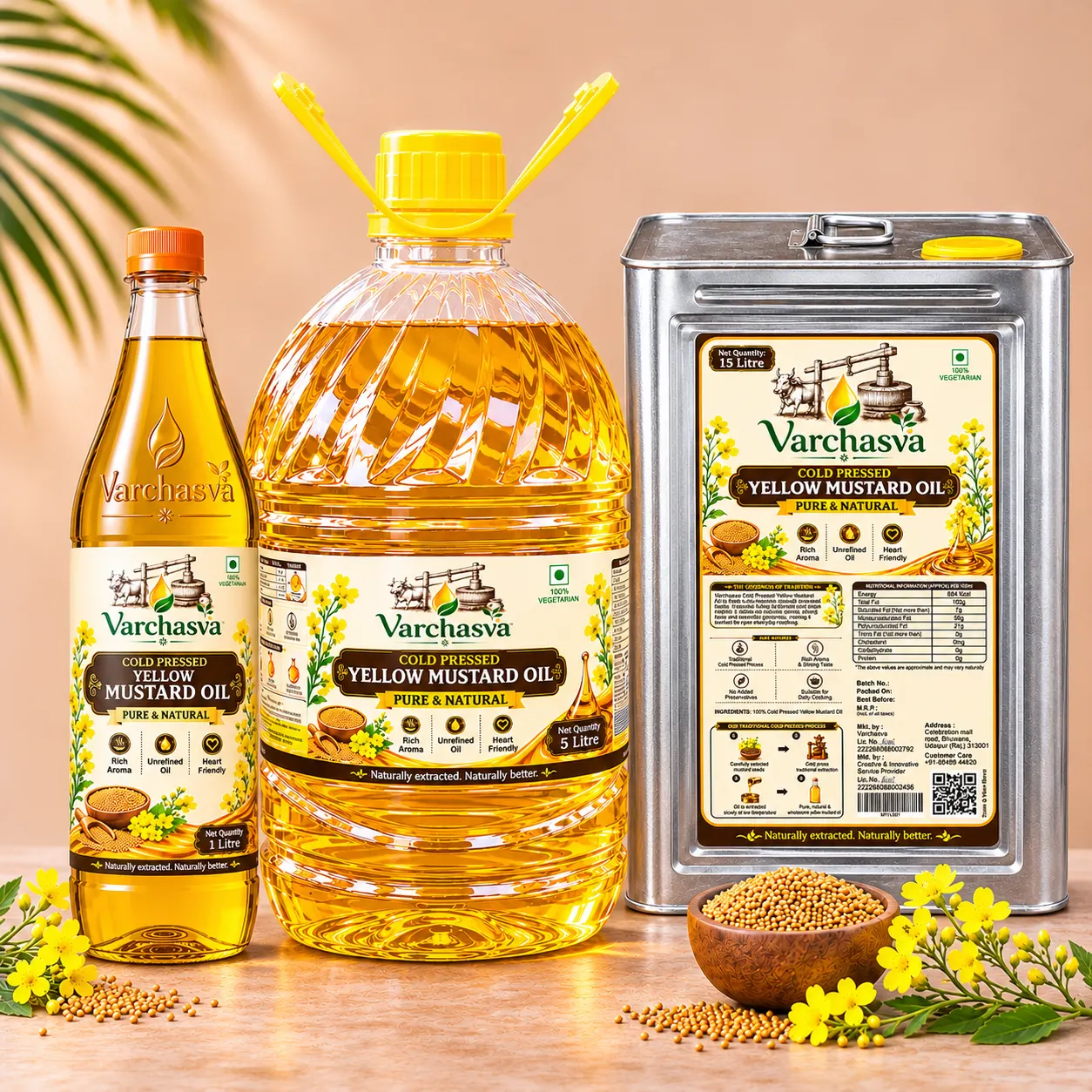
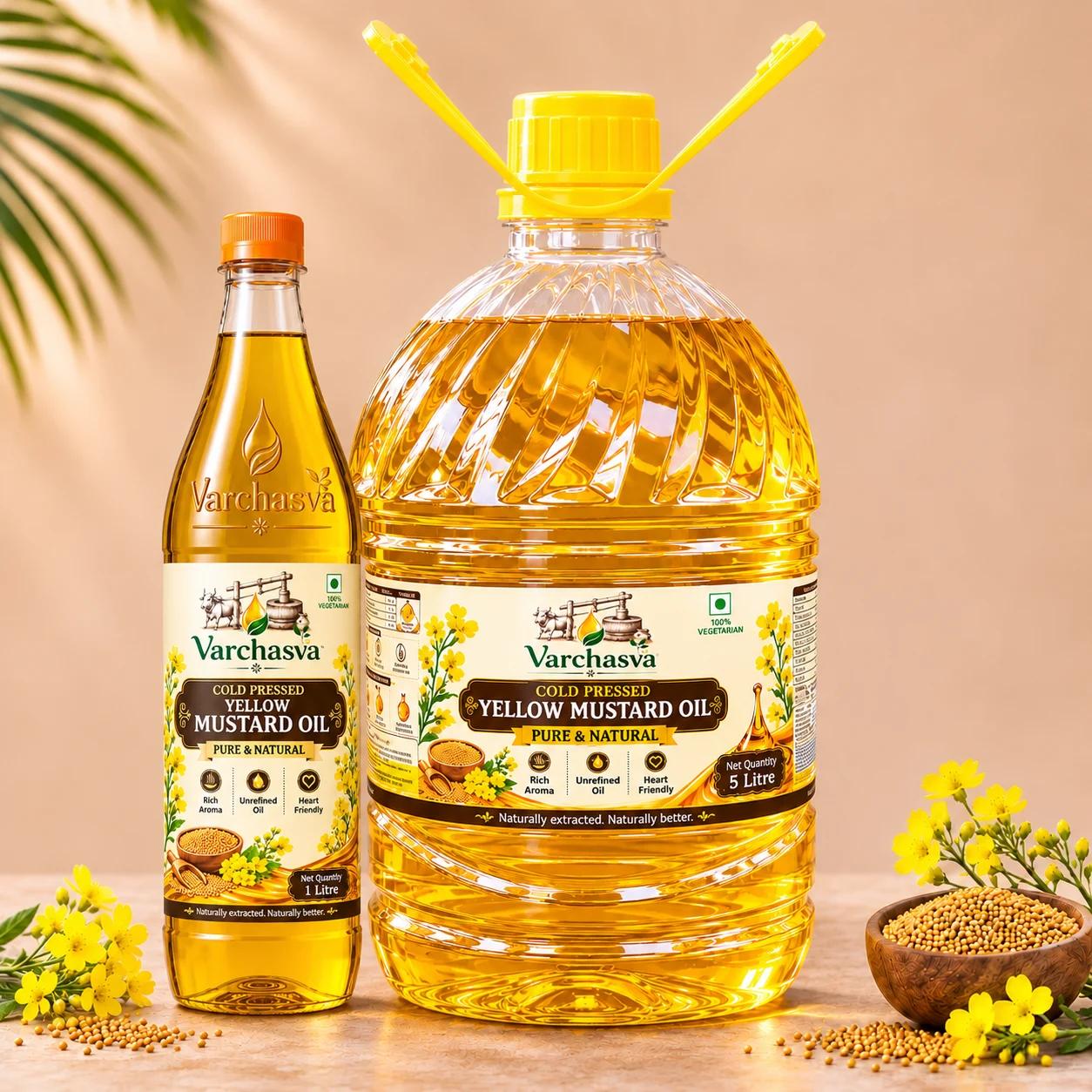
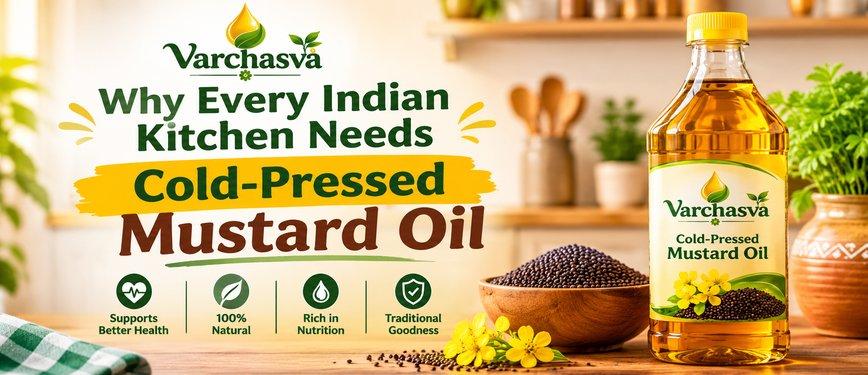
Varchasva Oil is a cold-pressed oil brand based in Udaipur, Rajasthan, right in India's mustard heartland. Varchasva cold-pressed mustard oil is made the traditional way: low-temperature pressing, no refining, no blending. One ingredient. It's built to pass every check in this guide, from a clear label to a sharp, true mustard aroma. If you've been cooking with refined oil, the first tadka will show you the difference.
Why Choose Varchasva Oil for Your Kitchen?
- Pure and cold-pressed: mustard seeds, pressed at low temperature, nothing added.
- Made in Udaipur: a local brand with Rajasthan's mustard-growing roots.
- Made for real cooking: tadka, pickles, sabzi and parathas, the way the oil was meant to be used.
Ready to taste the difference? Order Varchasva cold-pressed mustard oil at varchasvaoil.com.